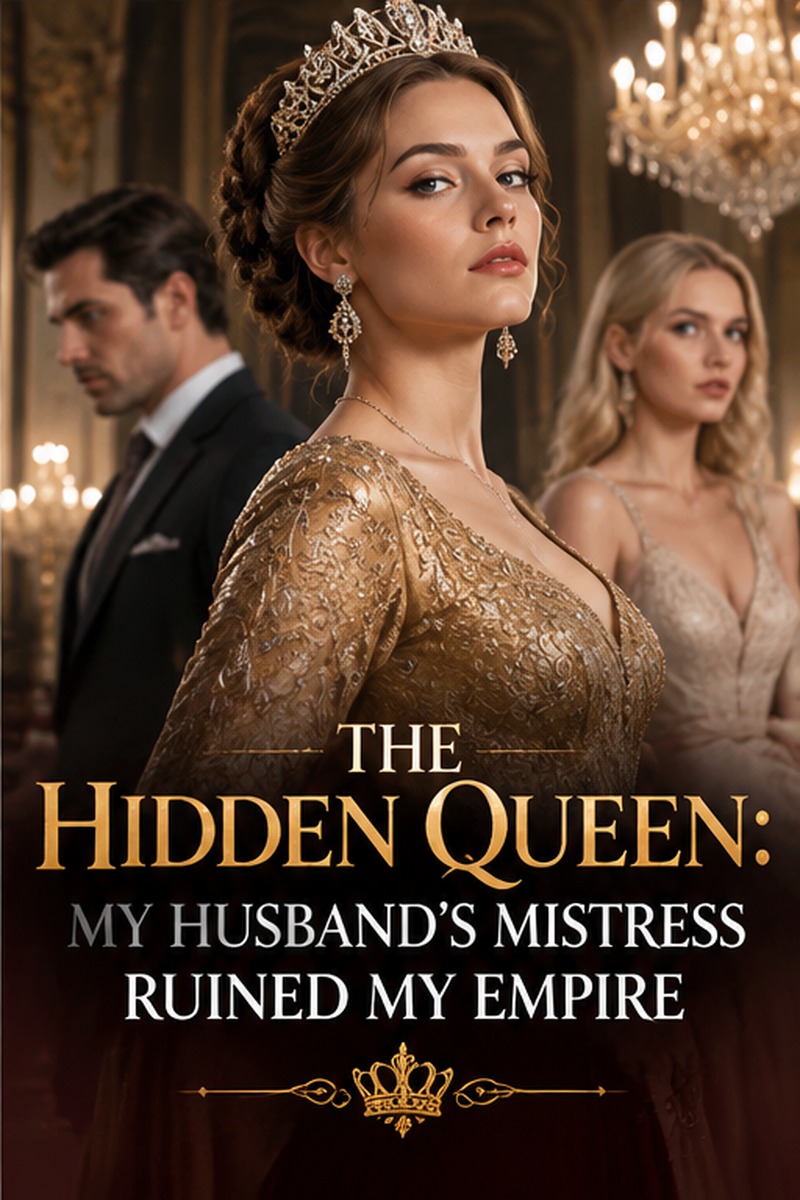
There must be more dignified ways to get a luxury tycoon’s name into public circulation than an electric eel attack. The incident goes viral, and the marriage behind the business turns out to have been in considerably worse shape than its public image suggested. The tycoon has been having an affair with a restaurant manager. His wife, a Sinclair heiress, has been doing much of the work that made his position possible while keeping her own role out of sight. Once the scandal has an audience, she has a decision to make about whose reputation her silence is serving.
An empire with somebody else’s name on it
The background makes this a particular kind of revenge drama. The husband has what most people would recognize as power. He’s the name attached to money and a successful luxury business. The wife has an understanding of how that success came about, and her involvement runs deep enough that she can threaten what he’s built his identity around. The affair brings the betrayal into view. The question of who built the business gives it consequences she can do something about.
There’s a strong point of character in how she begins. The heiress has been willing to work out of sight. That habit has allowed her husband to get used to taking the credit and may have made it easier for him to think he could take her for granted elsewhere. When she decides to reveal who she is, she has to give up an arrangement to which she’s contributed. That makes her more interesting than a woman who simply discovers a secret advantage at a convenient moment. She has to reconsider a choice she’s been living with for years.
The person in the middle of it
Having a restaurant manager as the mistress gives the betrayal a different texture from the private maneuvering around the Sinclair name. She’s the third person in the marriage’s immediate crisis, and her involvement helps rupture the public account of what kind of couple this is. The husband faces the prospect of losing the domestic arrangement and the business reputation at the same time. The wife has every reason to connect the two. Both have depended on her work going unacknowledged.
The story draws some useful tension from how much the husband has misunderstood. A person can know who brings in money and still manage to discount the work that makes the money possible. He’s become a tycoon under circumstances that allowed him to underestimate a partner he sees every day. That’s a more believable character flaw than sheer foolishness. People can get very good at accepting an account of their success that leaves them feeling entirely responsible for it.
How an eel fits into it
The viral incident is the part most viewers will be able to describe to a friend after hearing the premise once. Its comic indignity lands especially well against the polished image a luxury business wants to put forward. An affair can stay in a private room for quite a while. Once people are circulating the story for entertainment, the people involved have much less control over what the public makes of them.
That makes the incident useful to the pacing as well as the tone. The scandal gives the short a fast route from the marriage to the wider world. The identity reveal moves it forward again by giving people a different account of the empire they thought they understood. The subsequent fight over ownership and control has somewhere to go even after the initial embarrassment has passed. These are loud turns, but they build on one another. The wife has fewer reasons to preserve the old arrangement at each stage, and a stronger reason to intervene.
The cost of pulling it all apart
A hidden-heiress reveal is familiar in revenge shorts. This setup has a little more bite because there’s a difference between claiming credit for building something and dismantling it to get even. The heroine can do serious harm to her husband’s standing. She’s also in a position to harm something she spent time and effort creating. That complication makes the prospect of revenge worth thinking about after the initial shock of being cheated on has done its work.
It also gives the story a firmer measure of quality than the extravagance of the humiliation. The eel can grab your attention by itself. Holding it depends on what the woman behind the empire wants to get out of the reckoning. There’s satisfaction in watching the person who paid too much for an arrangement finally work out what it cost her. There’s a better story still if her claim to recognition has a price she can name and a future she can picture.
There’s a reason that tension belongs in the business plot. A public claim to the empire could leave her deciding whether she still wants to run the kind of operation she once preferred to influence quietly. That’s a more interesting possibility than simply exchanging one name at the top for another.
Who will get the most out of the comeuppance?
This is a hidden-identity revenge melodrama, with marital betrayal, a fight over a business and a strong appetite for public humiliation. Viewers who like the genre will find the pleasures they came for quickly. The more individual reason to recommend it is that the woman claiming her name also knows her way around the thing everyone assumes belongs to her husband. Her competence is part of the history of the marriage, which gives her comeback the weight of something she’s earned.
If you like corporate payback with a taste for absurdity, the short is worth sampling. The viral incident may be what gets you in the door. The question of how much of her own work the Sinclair heiress is willing to sacrifice gives you a reason to stay.



