The Bride Who Finds a Future Beneath the Water
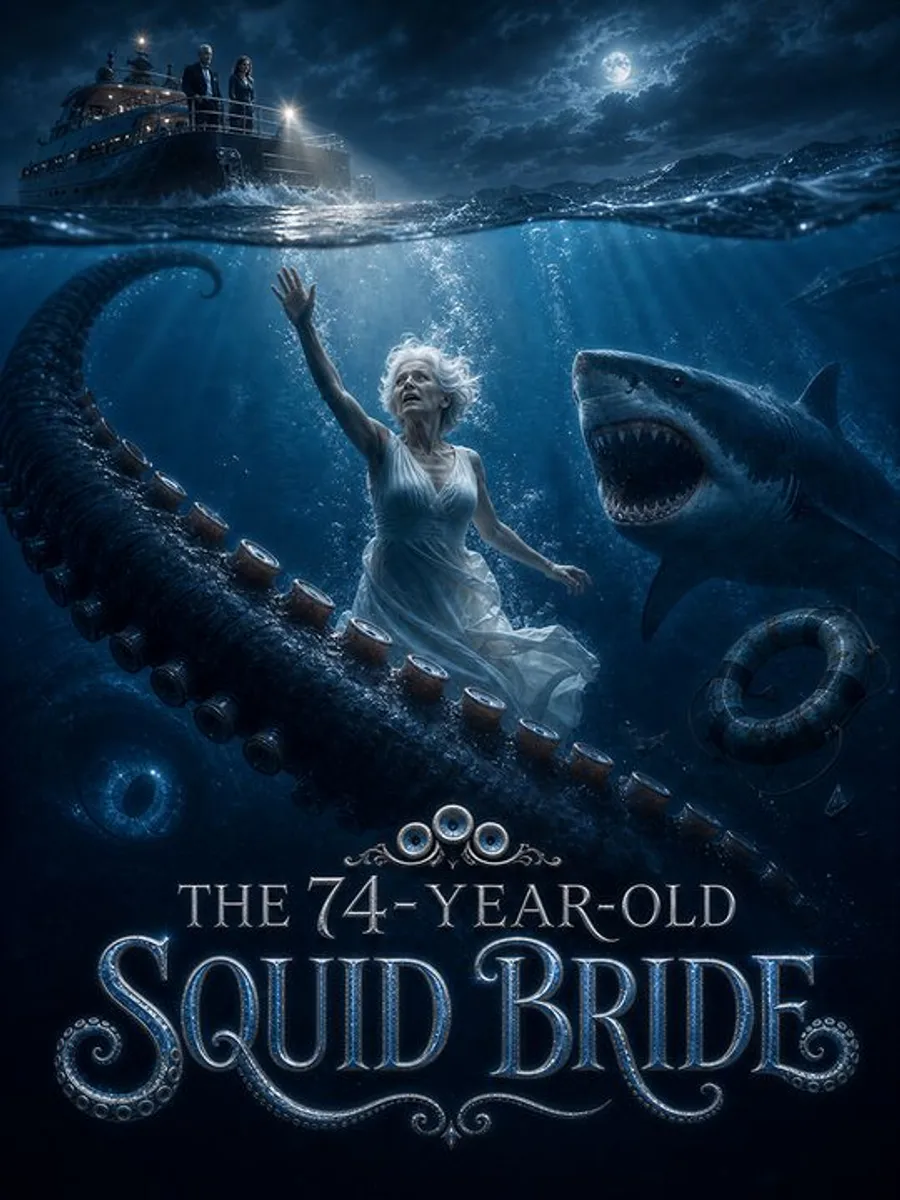
The husband in The 74-Year-Old Squid Bride has a very clear idea of what his wife is worth. He is carrying on an affair and expects to collect on her life insurance. He pushes her off a boat, and the world he thinks he understands ends just below its surface. A giant squid saves her before the sharks reach her. The squid can take human form, has an underwater palace and wants a life with her. By the time the rescued woman has a decision to make, the marriage thriller has already turned into a late-life romance about who is allowed to have an unexpected future.
That first rescue changes the contract with the viewer faster than almost anything the series does afterward. The husband acts on motives recognizable from a crime drama. The creature who intervenes belongs in a different kind of story, and the palace supplies the space that kind of story needs. There is a second change hidden inside the first. The wife whom the husband imagines only as a payout is still a person capable of deciding what she finds attractive and where she might live. The pace feels justified because her relief at being alive and the strangeness of the offer can exist together for a little while before she has to answer it.
Two shores, one family
The woman begins at seventy-four in a marriage whose dishonesty she has discovered at the same time as its physical danger. Her husband has had time to assemble a plan around an assumption that the story will end with him collecting the money. The sea creature gives the protagonist another life to consider. Attraction and gratitude can bring her toward that life for different reasons. When the creature appears in human form and admits his feelings, the gesture gives them a way to meet but leaves open what it will mean to be partners with histories and obligations in different worlds.
The underlying elements are familiar. A spouse plans murder for money, a stranger gives the survivor shelter, and enemies find a way to draw her back. The heroine's age and the shape of the new family change the pleasure of seeing those devices used. An older woman becomes the person a fantasy kingdom has to make room for, and her new marriage creates choices that keep drawing on the life she had before it. The age in the title has a point because the story gives her a future after the kind of marriage others might have expected to define the rest of her life.
Their marriage and her pregnancy give that question real weight. The woman has a son on land and will have a daughter tied to the sea. The son matters to the plot before anybody needs to say very much about him because concern for his safety can draw her back across the boundary. The daughter will have to live with a distinction the lovers could treat as private when it only concerned the two of them. Meanwhile the ex-husband and his accomplice have a material interest in drawing her away from an environment where she has protection. Their ability to manipulate the family ties she has kept gives the land plot a reason to survive after she has found refuge.
Why she goes back
The false report that her son has been in a car accident is the crucial later turn. It targets a bond she has reason to honor, even after learning how dangerous it is to trust the people relaying the news. Staying away could mean leaving her son without help. Returning to shore gives her enemies a chance to prevent her from going back. The intervention of a woman who fishes for a living complicates the geography in a welcome way. Help can also come from land. Later, when the mayor and townspeople treat the hybrid child as a threat, the drama expands a private campaign of abuse into a public judgment over who counts as belonging.
The opening burns through an affair, a murder plot and an ocean rescue quickly enough to set the tone, then lets the underwater section make an alternative life conceivable. The false emergency tightens the pace again. Later events arrive so fast that the mother's experience of raising a child between worlds could get squeezed by a public spectacle about difference. The story is at its most precise when somebody exploits a recognizable feeling, especially the fear behind the invented accident. Its more sensational attacks work best when they preserve that human scale somewhere inside them.
The logic of this damaged fairy tale comes through most clearly at the point where a lie about a car accident can draw a woman out of an undersea palace. I would pick it for a viewer who enjoys supernatural romance built around recognizable responsibilities, especially one curious to see how a heroine well past the usual age of romantic leads gets to make decisions about the next part of her life. Its rapid turns leave relatively little time to consider the ordinary adjustments that future would require. What it understands very well is the difference between giving someone a second chance and expecting the life she led before to stop making demands on her.
Genre & Themes
Primary genre — Supernatural romance
Themes — Late-life reinvention, marital betrayal, sea mythology, maternal loyalty, fear of outsiders
Frequently asked questions
What rescues the bride after she falls into the ocean?+
A giant squid rescues her and later appears in human form.



