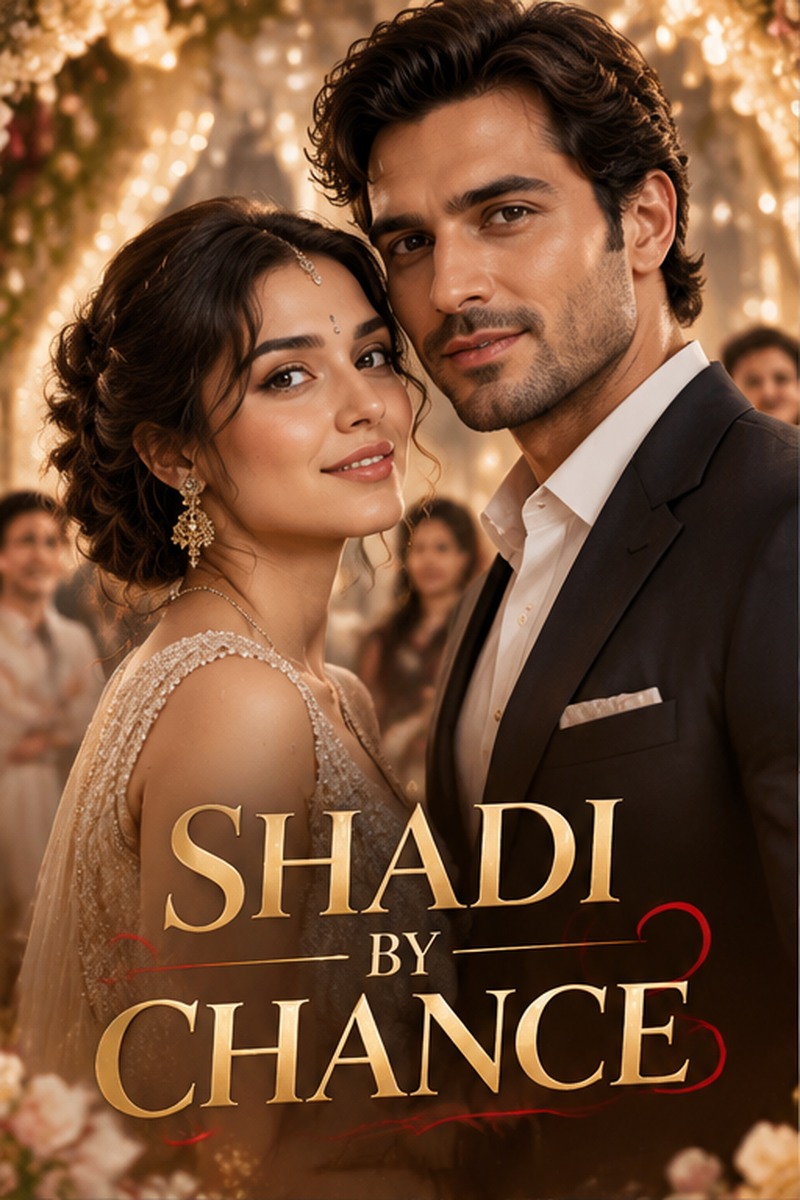
Tanishka pays for a stranger’s lunch and ends up hearing a marriage proposal. The stranger, an elderly man waiting for his grandson, has been trying to explain himself to a street-food vendor who would rather he went away. Tanishka objects to the way he’s being treated and pays for the meal herself. A thank-you would have been a perfectly adequate response. Dada Ji has a suggestion that he thinks is more useful. Would she consider marrying his grandson?
A romance that starts at a food stall
The modest setting is part of the joke. Nobody has dressed for a family introduction, and Tanishka has no reason to suppose that an exchange over a meal will have a place in the rest of her life. The vendor has an impatient customer to deal with. The grandfather has a grandson to wait for. Tanishka sees a problem she can solve on the spot. These little competing concerns give the setup some of the bustle of a real encounter before Dada Ji takes it somewhere almost nobody would expect.
That specificity also gives the contemporary family romance a warmer start than a meeting arranged around credentials or eligibility. From Dada Ji’s point of view, he’s seen how a potential match treats someone when there’s nothing to gain from it. Tanishka, who hasn’t been auditioning for anything, has given him an exceptionally honest first impression.
Dada Ji is a good judge and a meddler
What makes the grandfather fun is how quickly he translates a sensible observation into an outrageous suggestion. He’s right to appreciate the woman who helped him. He’s taking considerably more on faith when he imagines her future with a person she’s never met. The comedy has room for both sides of him. Take away the affection and he’s just intrusive. Give him too much credit and the two people he’s trying to match start to look like the last people consulted about their own lives.
His grandson comes to the story in a particularly awkward position. He’s expected at the stall for an ordinary meeting with his grandfather. He’s meanwhile become a subject of romantic speculation. That awkwardness gives the younger pair something in common before they know much about each other. Both have been volunteered for a story someone else is enjoying telling.
What Tanishka does when nobody asks
Tanishka’s introduction works because she takes a clear action. Anyone could think the vendor was being rude. She stops, says something and spends her own money. There’s a touch of impatience alongside the kindness, which makes it easy to imagine her taking issue with the grandfather’s next move. A woman who intervenes of her own accord is a promising lead for a story about the degree to which other people get to intervene in hers.
This also gives the romance an interesting imbalance of information. Dada Ji has seen a part of Tanishka’s character that his grandson has yet to encounter. Tanishka knows something about the grandfather and almost nothing about the proposed match. A first impression has started circulating before the people whose impressions matter most have had a chance to form one.
There’s a quiet bit of social observation in who gets heard at the stall. Dada Ji has to explain himself until Tanishka insists on taking him seriously. Minutes later, he’s the one speaking with complete confidence about a woman he just met. That switch keeps the scene funny and gives Tanishka a perfectly good reason to be amused and wary at the same time.
The punch line leaves a question behind
In pacing terms, the stall scene is economical. The problem is legible within moments, the response grows naturally out of Tanishka’s character, and Dada Ji’s proposal changes the direction of the story before the encounter has worn out its welcome. The idea is funny because he skips several steps viewers take for granted. A more cautious matchmaker might begin with an introduction. Dada Ji goes straight to the possible outcome.
The next stretch has a different job. A surprise can supply a quick opening, while a romance needs time for people to become curious about one another. The challenge is letting the proposal continue to matter without making every exchange a variation on the original joke. The opening helps set up that transition by giving the characters something to disagree about even if they happen to like one another. Who gets to decide what this meeting means?
How much novelty is in an accidental match?
Accidental matchmaking is common in romantic comedy. The fresh detail here is that the matchmaker meets the heroine while he’s having an uncomfortable moment himself. His enthusiasm has a recognizable cause, and the impulse that gets Tanishka into the story comes from her own values. That’s solid dramatic construction. The same act establishes the heroine, creates the family connection and gives the title its sense of chance.
The premise is deliberately gentle. Its strongest tension is between affection and presumption, with very little need for a villain. That gives the relationships a pleasant everyday scale, though viewers who prefer a sweeping romance or a sharp mystery may want a bigger complication than a relative getting ahead of himself.
Who will enjoy the match?
This is an easy pick for fans of warm family rom-coms, meddling elders and romances that begin with an awkward introduction. What makes it worth choosing is Tanishka. A story that opens with a woman speaking up at a food stall has already given her something more interesting to do than wait to be chosen. If you like watching a heroine carry that same directness into a delicate family situation, Dada Ji’s impulsive proposal is an inviting place to start.
Main Characters
 Tanishka
 buys a meal for a hungry stranger without expecting anything back. The kindness leads to a marriage proposal and a romance she could not have planned.
 Dada Ji
 is the hungry stranger Tanishka helps. His proposal turns a small act of generosity into the beginning of an unexpected relationship.



