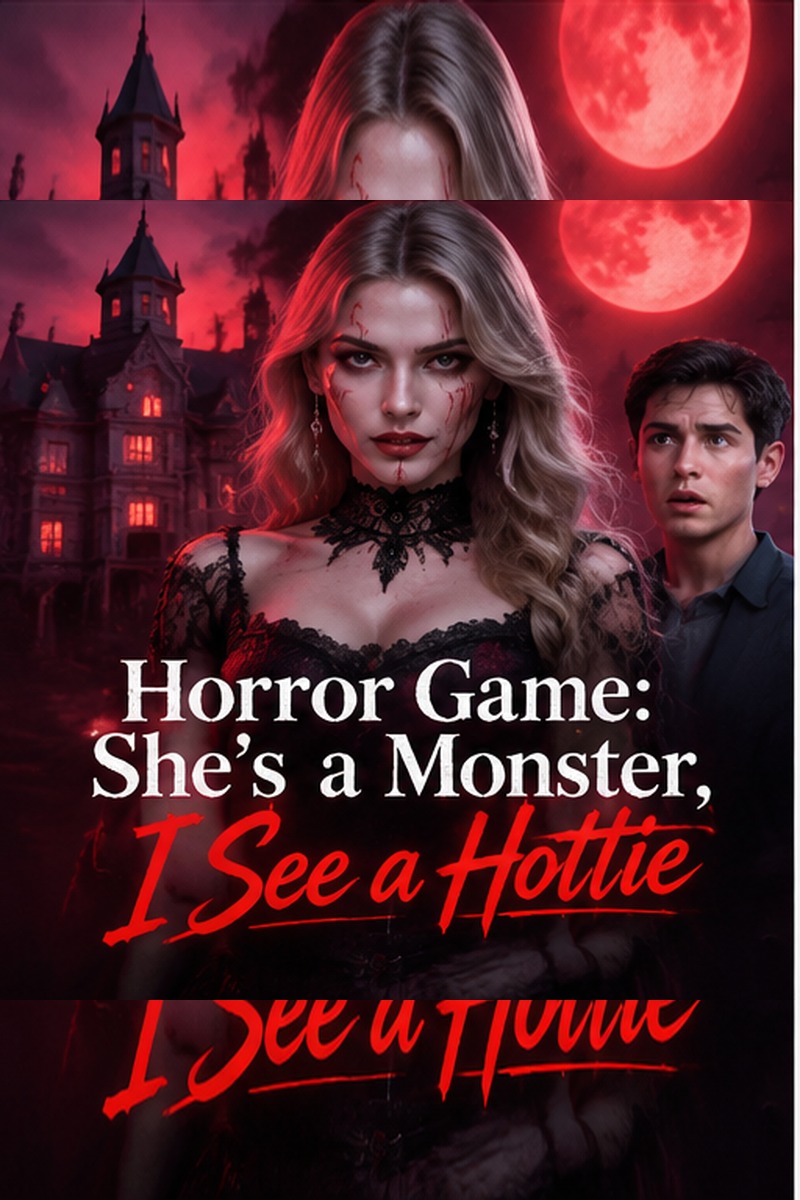
Arthur is at a wedding in Ravenhurst Manor, and the bride’s opinion of him is a matter of life and death. A mechanism called the Romance Escape System has given him an objective. He needs to win the affection of Lilith, the figure known as the Bloody Bride. The system can tell him what he has to achieve. It leaves him to work out how to approach a woman whose presence ought to send a sensible guest straight to the door.
The rules are clear. The bride is another matter.
What makes this a good survival-game setup is the gap between the simplicity of the instruction and the difficulty of following it. If Arthur were looking for an object or solving a lock, he could concentrate on the thing in front of him. Winning another person’s affection calls for judgment. He needs to decide what a gesture means, where he’s welcome and how much to reveal about his own motives. Doing any of that under threat changes the nature of the encounter. Even an apparently tender moment might begin as an attempt to stay alive.
Lilith has a different relation to the wedding. She’s the person Arthur has to get near and the reason that getting near seems like such an unwise thing to do. There’s also a secret tied to her that goes back a century. That history gives her a life in the story beyond the immediate effect she has on a frightened man. Arthur has just arrived at a problem she’s been associated with for a very long time. He may be working from rules that explain his position considerably better than they explain hers.
A manor made for hospitality of the worst kind
Ravenhurst gives the short a recognizable gothic setting. A wedding already has rituals that tell the guest what to expect, and a manor is a natural home for stories about things people have spent years keeping quiet. Bring those two ideas together and politeness can become its own source of suspense. An encounter that might ordinarily invite a little flirtation has an alarming price attached to it. A figure dressed for a celebration carries a name that makes the celebration sound like a warning.
That’s where the premise comes closest to having its own personality. The title plays Arthur’s attraction broadly, and the wedding setup supplies room for uncomfortable comedy. The threatening history pulls in the other direction. Viewers who enjoy horror that occasionally lets out a nervous laugh will probably take to that combination faster than somebody looking for sustained, solemn dread.
Curiosity has better legs than a checklist
The system makes the opening easy to enter. It states the danger and the immediate objective, so the story can move into the encounter without spending an age describing the mechanics of its world. From there, the century-old mystery gives the drama a slower question to pursue. The short can ask whether Arthur is any closer to escaping while encouraging the viewer to reconsider why Lilith is frightening and what the manor might be keeping from him.
That dual pace is one of the sounder choices in the setup. A series of instructions and completed tasks would grow predictable as soon as Arthur became good at following orders. The hidden history gives him a reason to notice things a score alone can’t explain. It also gives Lilith room to change how the viewer sees her. The quality of the mystery depends on how much those discoveries alter the relationship. A revelation about the Bloody Bride can do more for the story if it changes how Arthur approaches the woman in front of him.
Can a performance turn into something genuine?
Arthur’s distinctive character problem is that a sensible tactic and a sincere impulse might look identical from the outside. He has reasons to appear interested. He may also become interested in things the system never asked him to understand. That ambiguity is the fertile part of the dark romance. It gives the audience something to watch for even in an exchange where nobody is in immediate physical danger.
Lilith has the more intriguing position. Her title and Arthur’s objective both encourage viewers to see her as a creature to be managed. A secret that predates his arrival opens space for her own point of view. The best dramatic possibility is that what Arthur learns about her makes his original understanding of the game feel incomplete. That makes the romance and the horror work on the same question. How safe is it to have somebody else define what Lilith wants?
There’s a useful difference between getting a reaction and building trust. The escape condition makes the former sound sufficient, while the prospect of a romance gives the latter real weight. How Lilith reads Arthur’s interest is therefore as interesting as whether he can make any progress under the rules.
Put it on your list if the odd mixture appeals
This sits between gothic horror, a supernatural mystery, dark romance and a life-or-death game. Those genres each offer something specific. There’s a clear survival task for game-fiction viewers, a shadowy history for mystery fans and a suspicious courtship for anyone who likes romance with divided motives. The wedding premise is the highlight because it lets all three concerns show up in an ordinary conversation. Arthur might be curious, frightened or trying to make headway under the rules. He has good reason to be all three at once.
The recommendation comes with a matter of taste. If the blunt joke in the title makes you smile, the contrast between that joke and Lilith’s unsettling reputation is worth trying. The longer-lasting appeal is the chance to discover why Ravenhurst remembers its bride the way it does.
Main Characters
 Arthur
 is trapped in a deadly wedding scenario at Ravenhurst Manor. To survive, he must understand the rules governing Lilith and find a way to earn the Bloody Bride’s trust.
 Lilith
 is the Bloody Bride at the center of Ravenhurst Manor’s horror game. Arthur’s survival depends on winning her over, making her both the threat and the key to escape.



