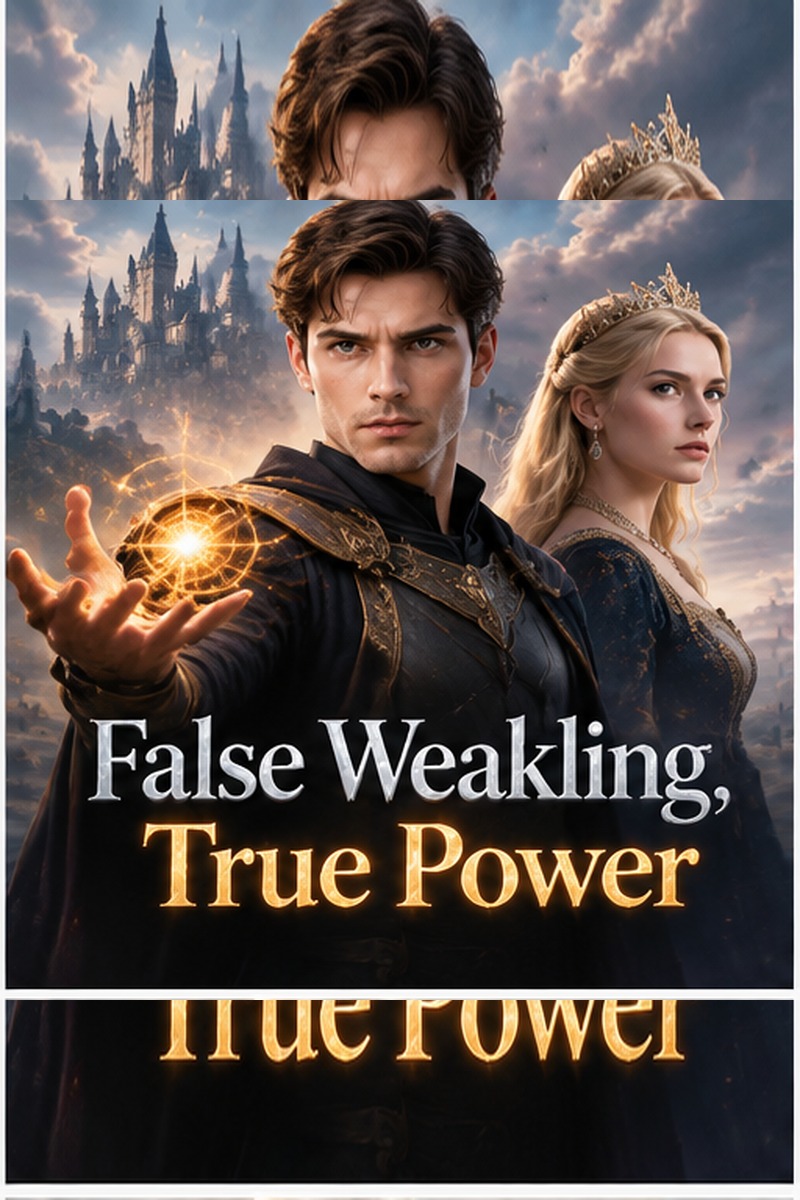
The Aurellian Empire has organized a public contest to measure the talents of powerful mages. The most startling demonstration of magic happens somewhere else entirely. A rogue from the north causes chaos in the street and is dispatched by a spell so formidable that Kael, the empire’s First Mage, takes an interest. His search points to Lucien, a man the people who care most about rank and power have practically written off.
What a tournament can put on display
The event itself is a marriage tournament for Princess Isolde. Mages from the Northern Kingdoms are coming into the empire to compete, which turns the princess’s future into a public affair and gives the visitors a stage on which to make their names. A good performance can win attention from people who ordinarily have little reason to take an outsider seriously. The court has quite a bit invested in presenting the tournament as a meaningful test of ability.
Then there’s the spell in the street. It happened outside the competition, and whoever cast it had no audience assembled to score it. Those two parts of the premise make a good pair. The tournament offers people a recognized way to prove how strong they are. The encounter gives Kael evidence that something extraordinary has already happened beyond those official arrangements.
Why Kael’s investigation matters
Lucien’s greatest advantage may be how little anyone expects from him. People are willing to leave an apparently insignificant man alone. The same inattention that makes his standing humiliating can give him room to move without explanation. Once a person of Kael’s stature starts looking at him, that room gets considerably smaller.
Kael gives the story a relationship more interesting than the usual line of sneering opponents. He has professional reasons to find the caster and enough knowledge to understand why the answer matters. His inquiry can complicate Lucien’s life even if he approaches it in good faith. That makes the First Mage a credible source of pressure. An honest question from someone who understands the evidence can be more dangerous to a closely guarded secret than a public insult.
Isolde brings the consequences closer to home. The empire may regard the tournament as a useful display, but the marriage on offer is hers. The stronger the pool of contenders looks, the more occasion there is to wonder whether public prowess is a sensible thing to weigh so heavily in her future. The setup gives Isolde real stakes in the competition even where it supplies more information about the mages than about her own preferences.
Lucien’s dilemma also has some room for pride. Being overlooked is useful until the people doing the overlooking get to decide whose contribution counts. Someone in his position could reasonably want recognition and dread what comes with it. That tension offers more for the character than an opportunity to embarrass his doubters.
The pleasure of being in on it
Action fantasies about hidden prodigies live on dramatic irony. Once we know what Lucien might be capable of, an offhand dismissal or a grand claim by one of the visiting mages can take on a second meaning. The story has made us privy to evidence that some important people haven’t considered. The fun is waiting to see what they do when their categories stop working.
The opening strike supplies that pleasure quickly. A full practice round or tour of the court would delay the point. The encounter with the rogue gives the premise a decisive incident, and Kael’s inquiry turns it into something the story can pursue at a slower pace. The tournament, meanwhile, gives the hunt for the caster a public arena in which to become consequential. Each strand has a clear job, which helps a short fantasy carry the necessary names, institutions and magical hierarchy without bogging down in exposition.
How much can a revelation carry?
The fantasy of being stronger than everyone thinks is an old one. The clever variation here is the contest between two ways of establishing power. The tournament treats it as something you can verify ceremonially, in front of the right spectators. Kael is following the evidence of something that actually happened in the city. If the two forms of proof disagree, somebody important may have to revise a very public judgment.
The same structure brings a risk. Surprise at Lucien’s strength can only do so much dramatic work once the audience has caught on. The better test of the writing is what new obligations or problems his strength produces. There’s a promising answer in the setup. The visitors have ambitions tied to the tournament, Kael has an inquiry to pursue, and Isolde has a future being decided in public. A secret that affects those people can change more than Lucien’s reputation. Give the discovery that sort of consequence and the story has a reason to keep moving after its first big payoff.
Put it on your list for the court intrigue
This is tournament fantasy with magical action, an underestimated lead and a thread of royal politics. It’ll suit viewers who enjoy seeing an outsider quietly upset a hierarchy and who want a little detective work alongside the showier displays of power. Anyone coming primarily for a royal romance should know what the premise emphasizes. Isolde’s marriage raises the stakes, while Lucien and the investigation provide most of the immediate pull.
The best argument for watching is that the empire has already built a stage and invited everyone to look at it. Kael has a good reason to be looking somewhere else. The distance between what he’s found and what the court expects is where this short finds its energy.
Main Characters
 Kael
Kael appears to be a weakling in a kingdom that prizes magic, but a street spell sends him after Lucien and a secret the royal tournament cannot contain.
 Lucien
 is the figure Kael pursues after a spell disrupts the streets. His connection to the hidden truth makes him more than a rival in the contest for Princess Isolde.
 Princess Isolde
 is the prize and political center of a royal tournament where mages compete for her hand. The contest draws Kael and Lucien toward a secret with wider stakes.



