What the Hale Family Fails to Recognize
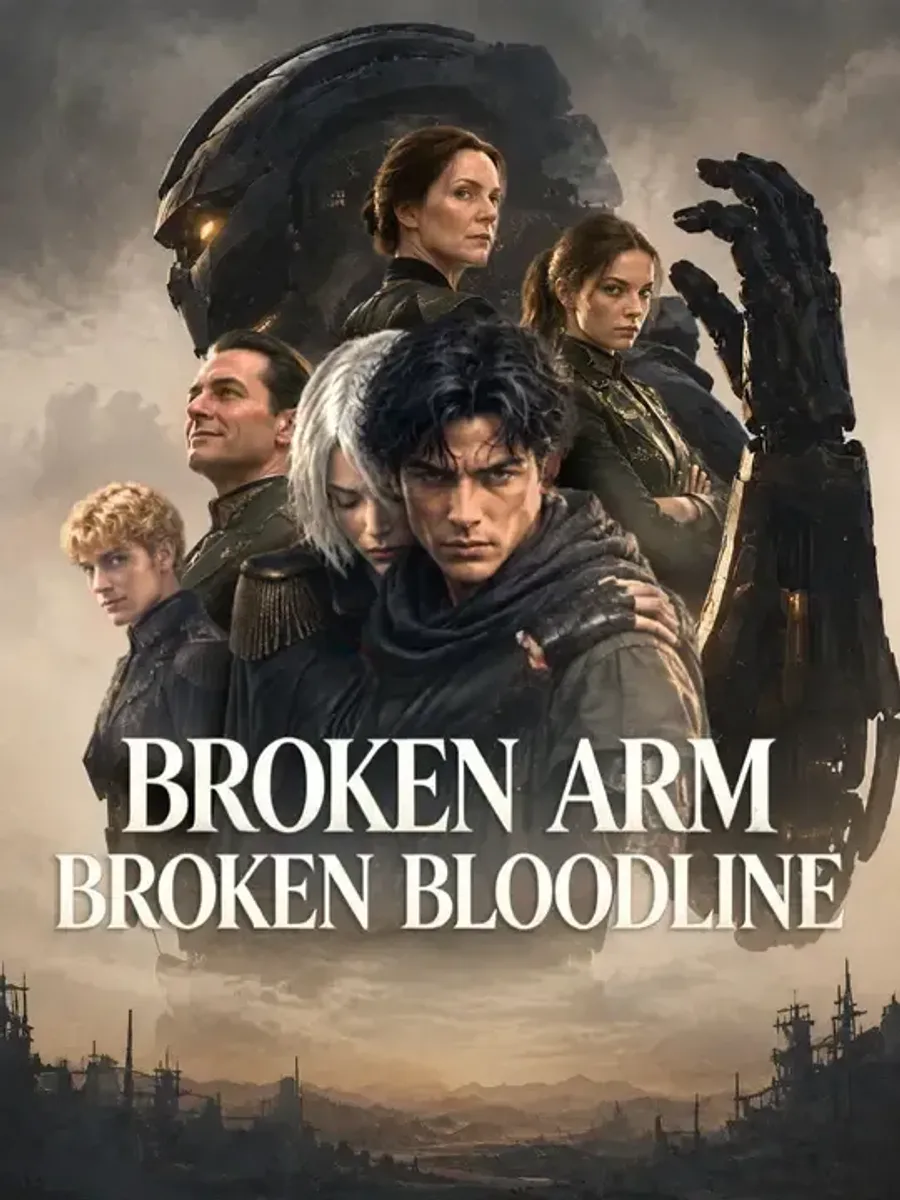
Kai comes home with two pieces of information his family ought to find difficult to ignore. He is their true heir. He has also lost an arm in exile after being framed. In a conventional recognition story, either fact might be sufficient to bring the household to its knees. Broken Arm, Broken Bloodline asks a nastier question. What if a family can look at the evidence of what has been done to its son and carry on treating him with much the same contempt as before? The return from exile then becomes the beginning of the injury that will be hardest to repair.
The homecoming comes too soon
A script that saves the heir's arrival for its finale can bring everyone together before anyone has to work out what living together would mean. This one lets Kai experience life at home after the event that ought to have set everything right. He has come back into the orbit of people who have an excellent reason to revise their conduct. Their failure to do so establishes the limitations of the very thing a lost heir is traditionally supposed to want. A correct name can get a man through the door and leave him practically defenceless against what the people on the other side believe about him.
Kai's missing arm sits uncomfortably beside the family's recovered surname. One loss can be repaired on paper. Even a relative determined to think the best of the family would have difficulty claiming that exile left no lasting damage. Kai carries its consequences into the house. The script is on its strongest ground when that visible history puts pressure on the relatives' conduct. An audience might initially hope for an apology large enough to set things straight. The longer he is treated unfairly after he returns, the more questionable it becomes whether that family still has much of value to offer him by apologizing.
Marshal Ash supplies the crucial counterexample. Ash intervenes to rescue Kai while the family with the greatest obligation to care for him has conspicuously failed to do so. The rescue has a meaning quite apart from moving an endangered protagonist to safety. It gives Kai an experience against which to judge his household's excuses. Somebody who owes him less has managed to do more. That shift in perspective supplies an excellent reason to follow their relationship even if one has grown thoroughly tired of stories about the true child and the interloper.
What makes Ash a compelling alternative to the claims of blood is the order of events. A person who offers help after Kai has demonstrated exceptional power could be making a perfectly sensible investment in a rising figure. Rescuing the returned exile before the great confrontation carries a different emotional weight. I wish more inheritance dramas took this much care about when a potential ally enters the story. It is one of the few ways an audience can distinguish concern for a person from enthusiasm for the assets he might eventually command.
Two meanings of inheritance
Primary genre: Fantasy revenge drama. Themes: the displaced heir, exile, family rejection, chosen loyalty, monstrous transformation.
The false son's mutation is a startling increase in scale. He can summon monsters, which moves a feud previously experienced as a succession of private injuries into the territory of a public emergency. This is the point at which the two halves of the title begin to pull on one another. The first half describes something the audience can see at a glance. The second describes a failure of kinship that could go unremarked outside the house. Once the false son's power becomes everybody's problem, the household's judgment stops being a purely domestic matter.
There is a risk of giving the family an undeserved moral reprieve here. Faced with monsters, almost anyone can see that the false son poses a threat. Earlier, when a wounded young man needed help, understanding the situation required the comparatively modest achievement of listening to him. Viewers drawn chiefly by the spectacle will get the promised change of pace. Those more interested in Kai might want to keep their eyes on the people who found it much easier to recognize a monstrous enemy than to behave decently towards a son who had already suffered.
Put the two offers of belonging side by side. The Hales can offer Kai a position into which he was born. They could offer as much before the exile, and he knows what it was worth the first time he needed somebody in his corner. Ash's claim on him is modest by comparison. It rests on one person's decision to show up for him when there was no particular advantage in doing so. This is a fine piece of revenge fiction for anyone who has ever found the obligatory reunion less satisfying than the moment a wronged person decides whose invitation to accept. The family can argue the genealogy at its leisure. Kai has somewhere else he might want to be.
Main Characters
 Kai
Kai returns to the Hale family after exile and the loss of an arm. He wants recognition, but the family still treats him as an outsider despite his claim to the bloodline.
 Marshal Ash
 intervenes in the dispute around Kai’s return. His support tests whether recognition from the family can become more than a gesture toward an heir they still exclude.
Frequently asked questions
What happened to Kai in exile?+
After being framed, the true Hale heir lost an arm during his exile.
Who intervenes on Kai's behalf?+
Marshal Ash rescues him after his return to a family that continues to treat him unfairly.



